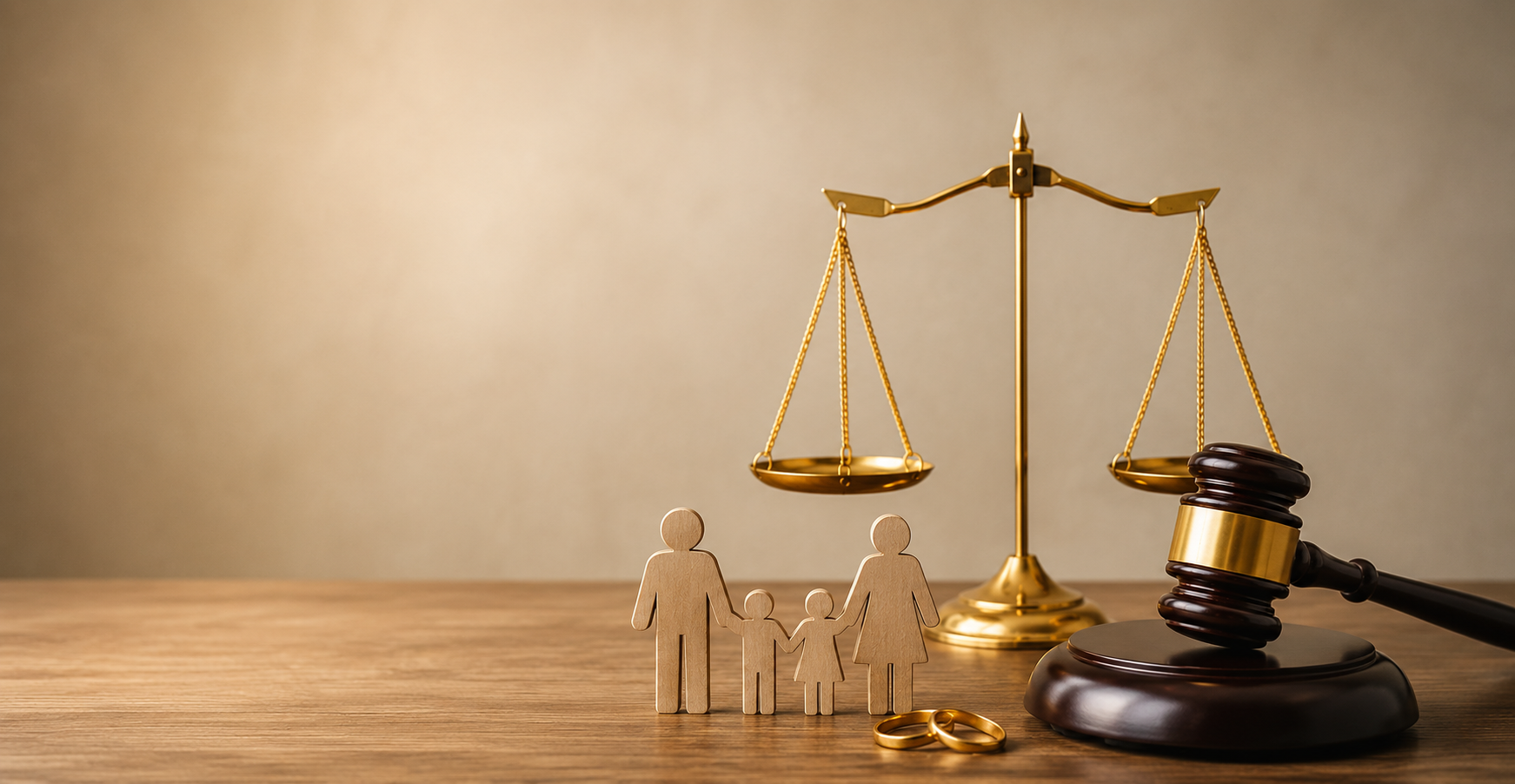
Civil law deals with disputes between individuals, companies, or other entities. Unlike criminal law — where the state punishes an offender — civil law is concerned with resolving private disputes and providing remedies such as compensation, return of property, specific performance of a contract, or an injunction (a court order to stop or compel a certain action). Civil cases do not result in imprisonment as a punishment.
Common Types of Civil Disputes
Property and real estate disputes — disagreements over ownership, boundaries, possession, or sale of land and buildings
Contract disputes — breaches of agreements between parties, including commercial contracts
Landlord–tenant disputes — issues of rent, eviction, repairs, or lease terms
Recovery suits — claims for money owed by one party to another
Injunctions — applications to stop someone from doing something that causes harm
Succession and inheritance disputes — disagreements over who inherits property or assets
Key Laws Governing Civil Matters
Code of Civil Procedure (CPC), 1908 — governs how civil cases are filed and conducted in courts
Indian Contract Act, 1872 — deals with the formation and enforcement of contracts
Transfer of Property Act, 1882 — governs the sale, mortgage, lease, and gift of property
Specific Relief Act, 1963 — allows courts to order specific performance of a contract or restore possession of property
Rent Control Laws — protect tenants from arbitrary eviction and regulate rent
Alternative Ways to Resolve Civil Disputes
Not every civil dispute needs to go to court. There are other ways to resolve matters, often faster and less expensive:
Mediation — a neutral mediator helps both parties reach an agreement
Arbitration — an arbitrator decides the dispute, and the decision (award) is legally binding
Lok Adalat — a government-organised forum for settlement, especially for matters relating to motor accident claims, utility bills, and minor disputes
Frequently Asked Questions
Q1. What is an injunction and when can it be obtained?
An injunction is a court order directing a person to stop doing something (or to do something). It can be obtained when there is an urgent need to prevent harm that cannot be undone — for example, stopping an illegal construction on your land or preventing the sale of disputed property.
Q2. What documents are typically needed to file a civil case?
The documents depend on the type of case, but generally you would need identity proof, relevant agreements or contracts, property papers, correspondence between the parties, and any supporting evidence such as receipts or photographs.
Q3. How long does a civil case take?
Civil cases in India can take several years, depending on the complexity, the number of witnesses, and the workload of the court. However, pursuing interim relief through injunctions can provide protection while the case is ongoing.
Q4. Can a civil dispute be settled after filing in court?
Yes. Parties can reach a settlement at any stage of the proceedings. Courts actively encourage settlements and can record and enforce them.